Locker system
A self-service platform for ~800 office lockers on two floors. My own idea, approved by the project Vice President.
Hundreds of people across shifts sharing lockers tracked by hand. Nobody knew what was free, who held what, or for how long.
Live and approved up to the hardware stage, a rollout of about €100,000 for the whole office. It was paused when the office budget was cut.
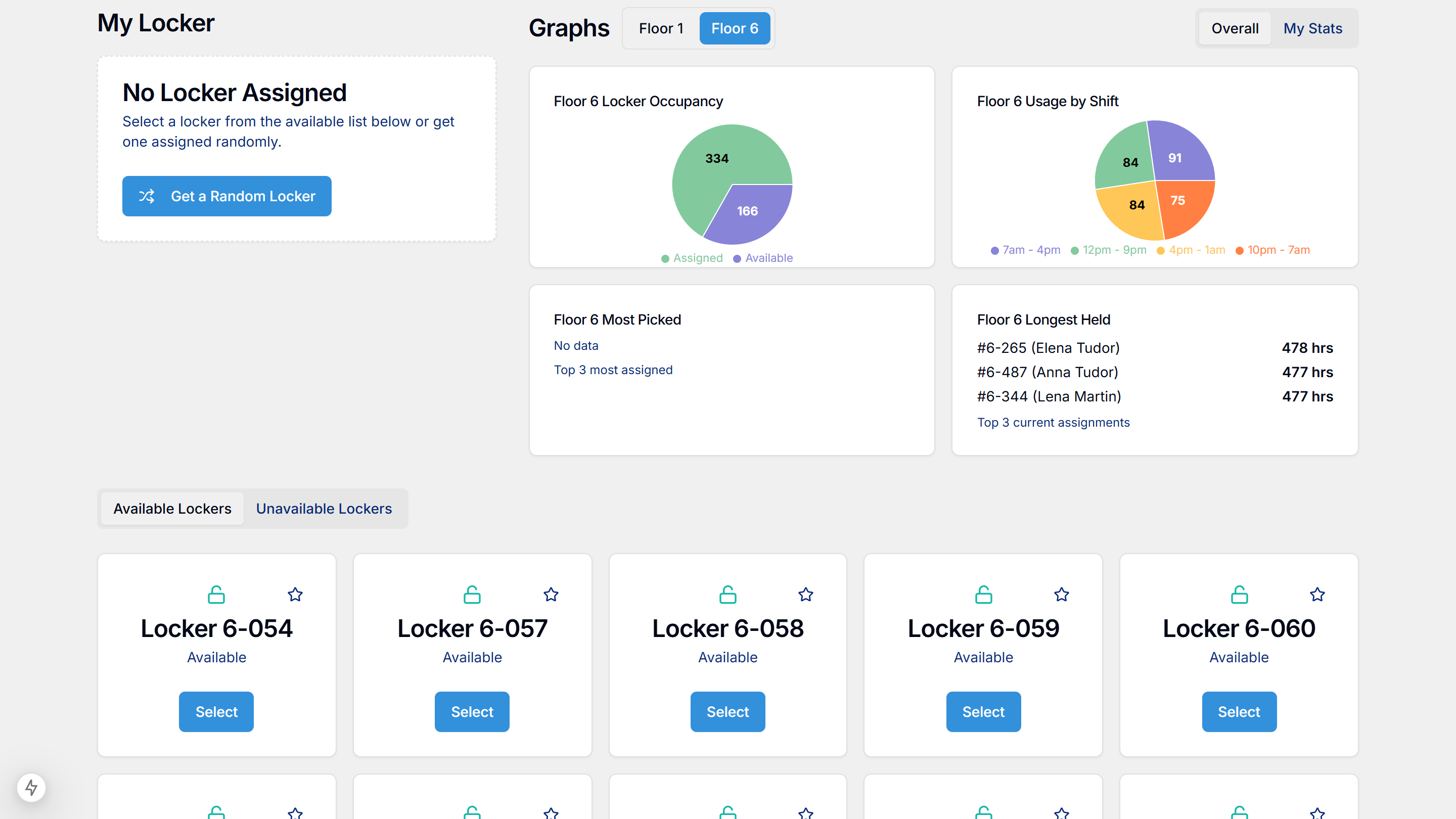
- Self-service: pick a locker or get one at random, per shift, with favourites.
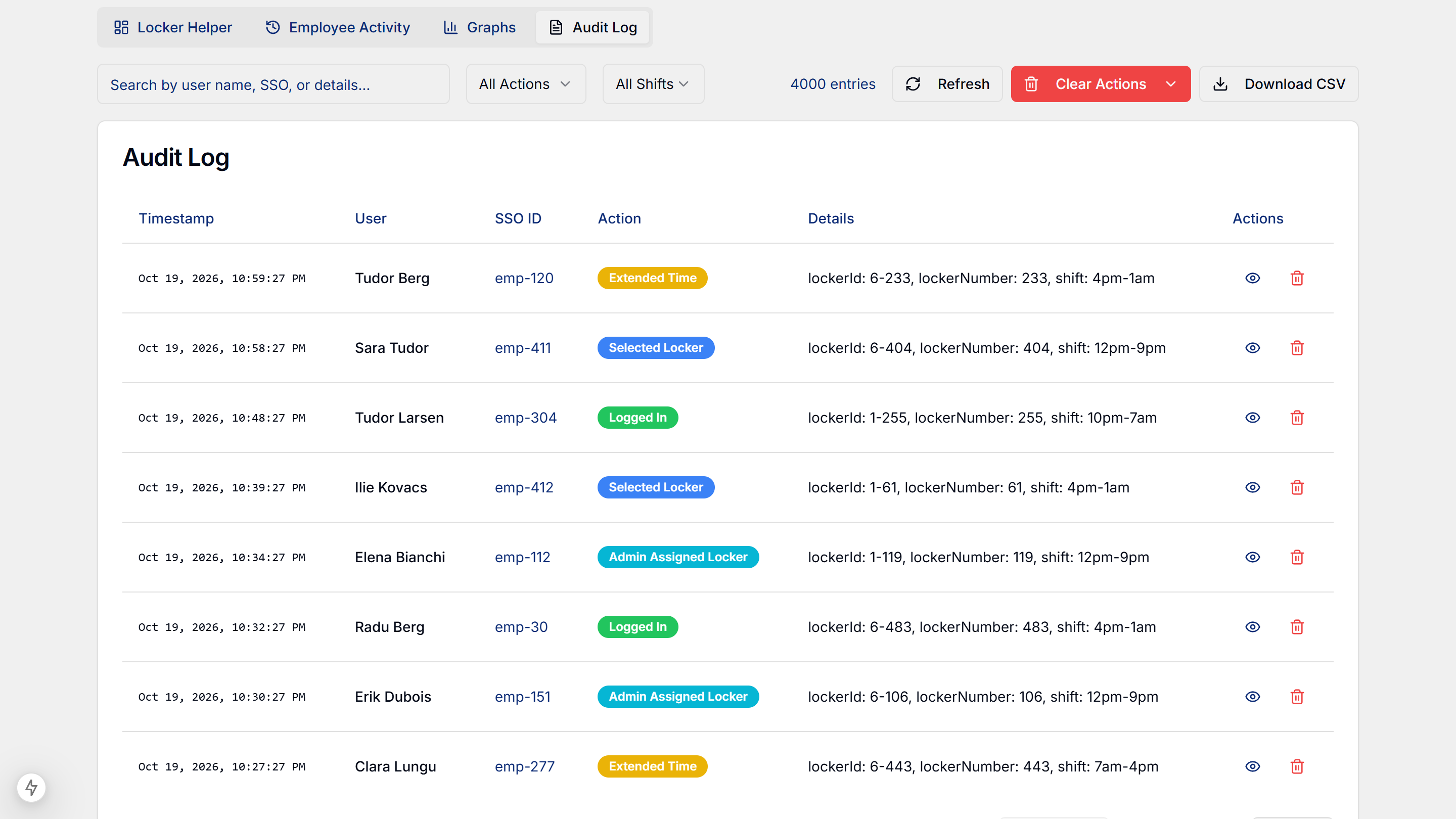
- Manager tools: assign and unassign, live floor map, a full audit log exportable to CSV.
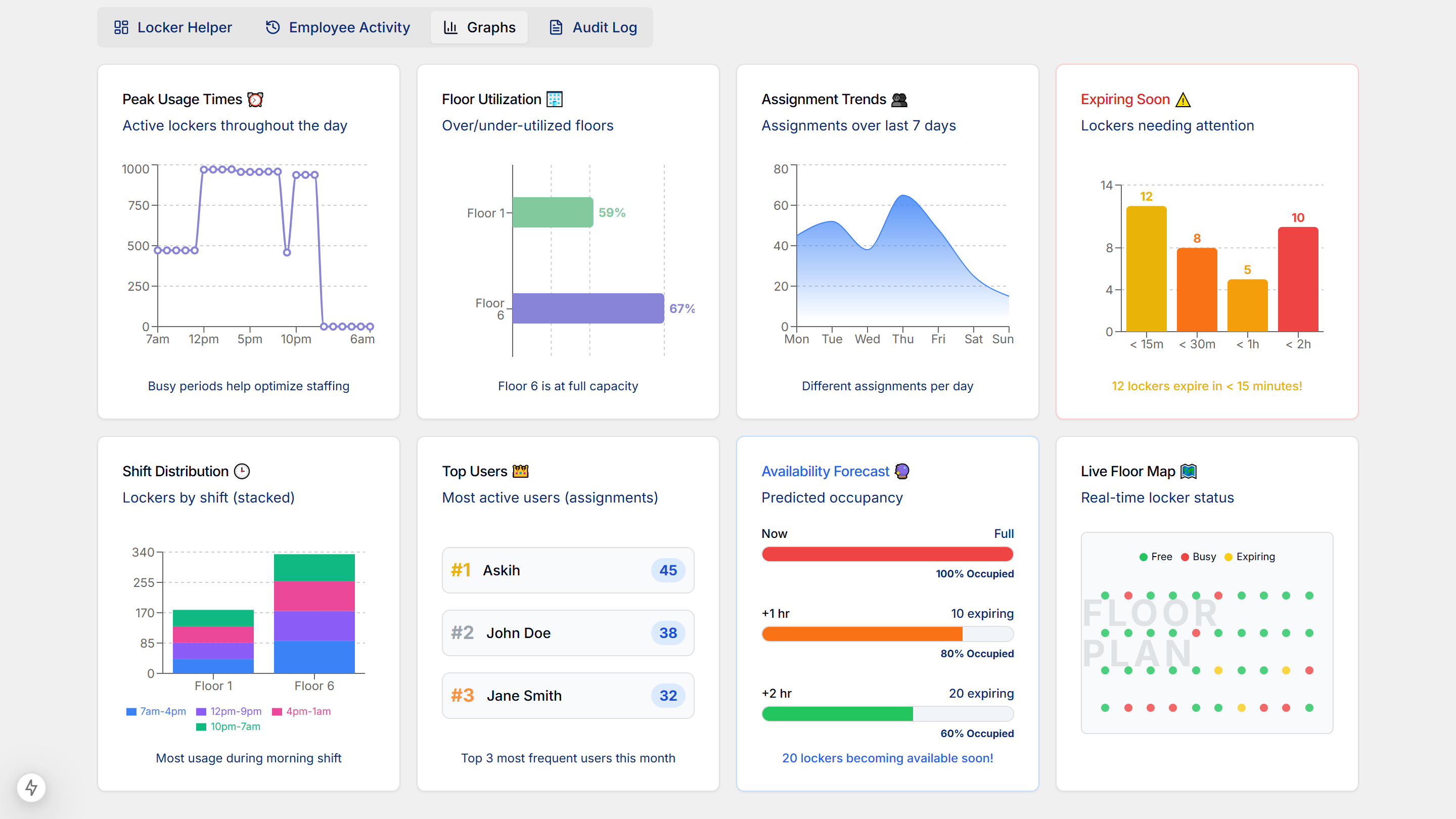
- Analytics: peak usage, floor utilisation, trends, expiring lockers, availability forecast.
- Presented it to stakeholders from HR to the Vice President.
I can take a problem from a hallway complaint to a funded business case, and explain it to HR, Ops and a VP in their own words.
Momoc Portal
The locker system grew into a portal for the whole floor. One login, five tools and a personal hub, built around how an operation actually runs.
Virtual Meetings
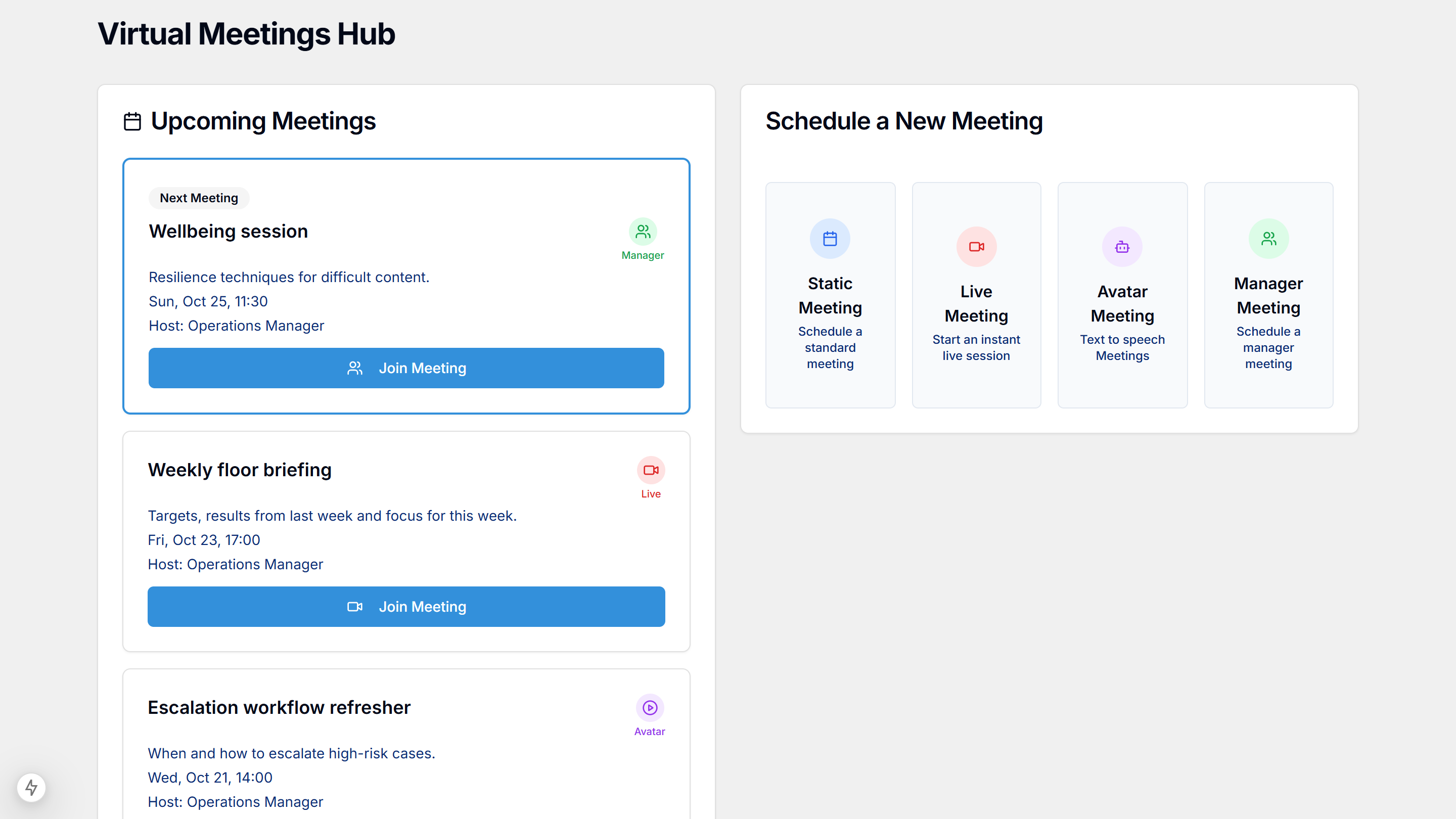
A training hub: scheduled, live, avatar (text-to-speech) and manager meetings, with completion tracked per person.
Disputes
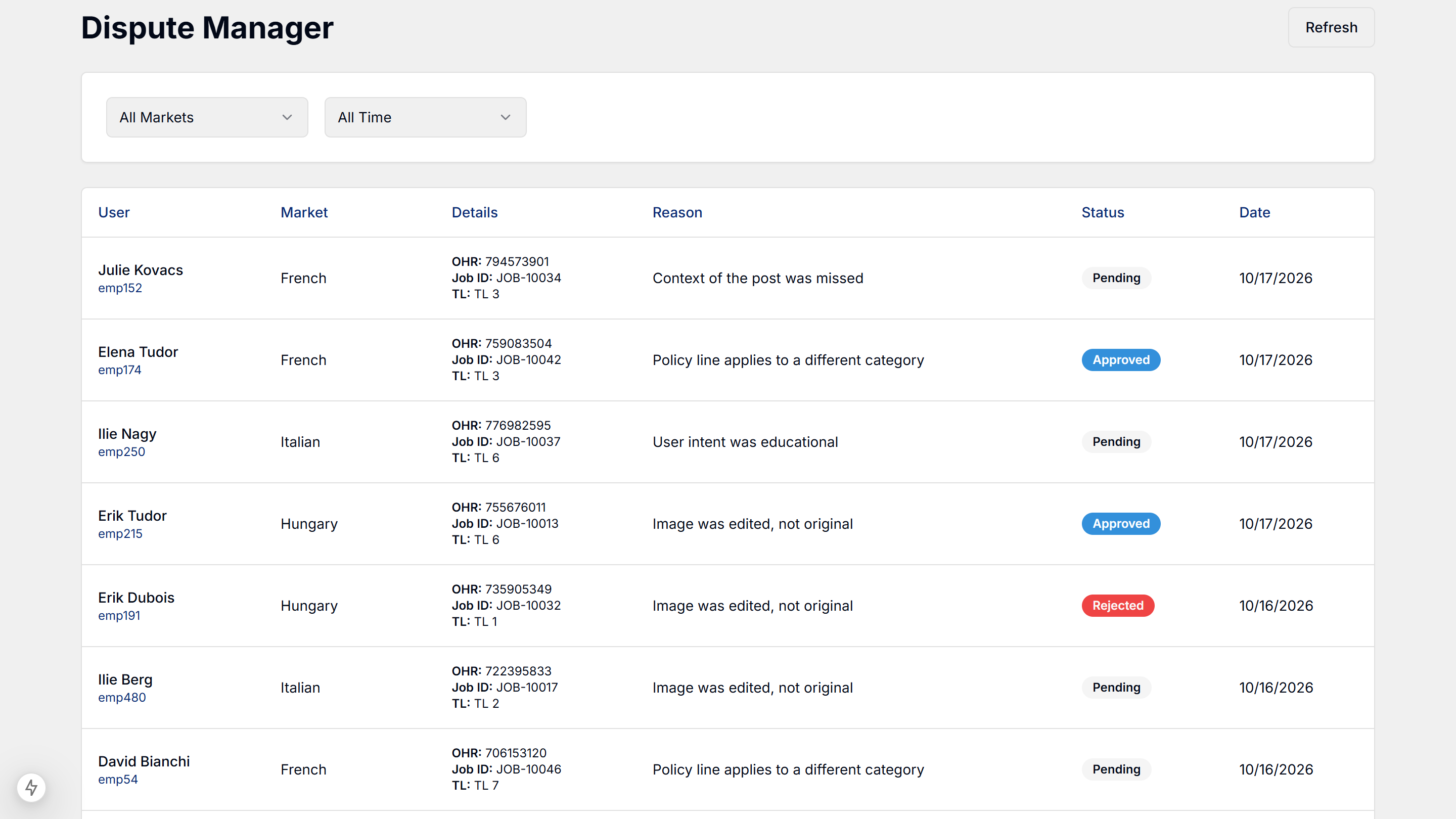
Agents dispute a quality audit. Managers approve or reject it, with market, audit week and policy line on record.
Work-Avoiders
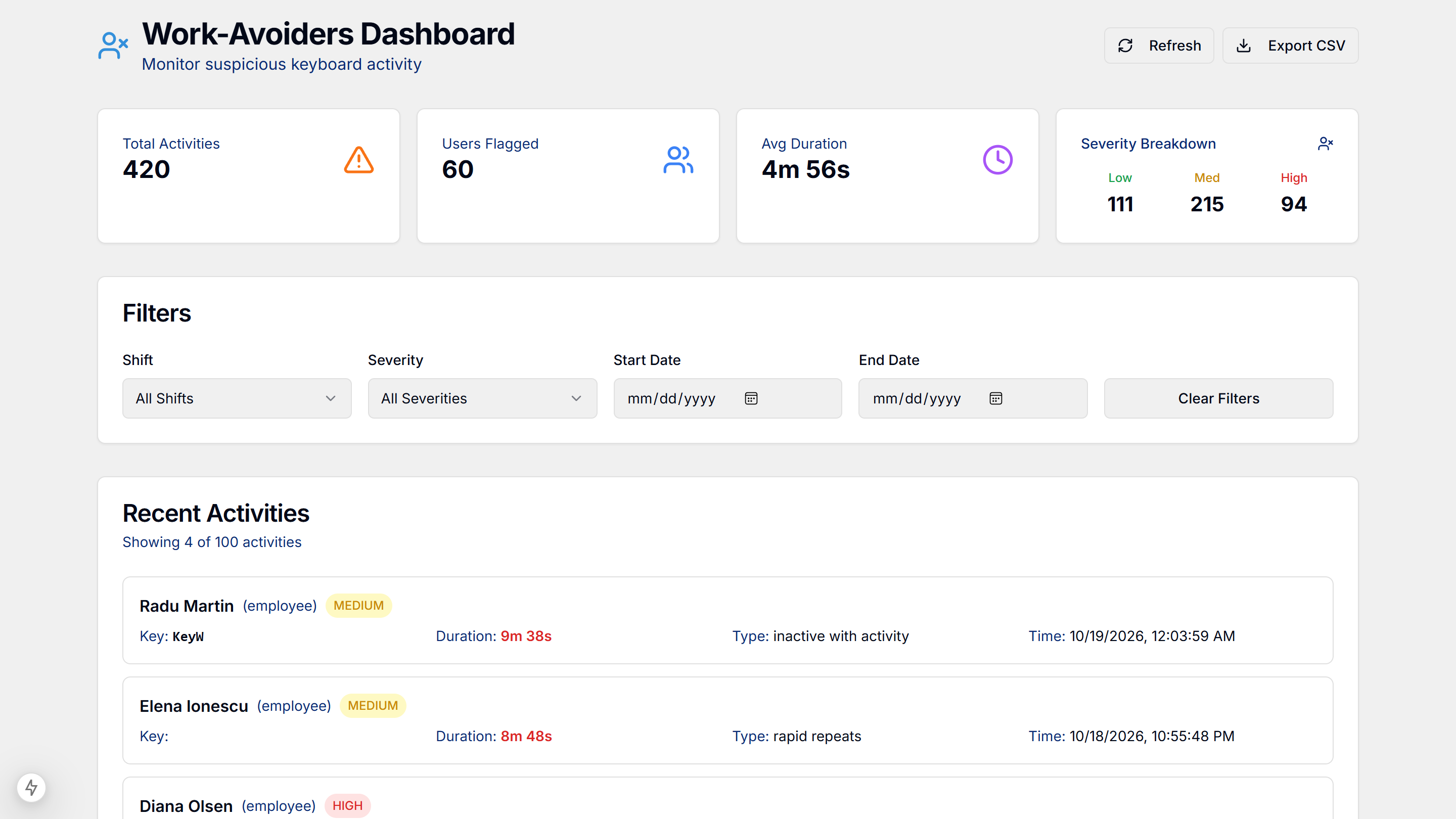
A browser extension flags fake activity (held keys, mouse jigglers, rapid repeats) by severity and shift. Exports to CSV.
Graphs
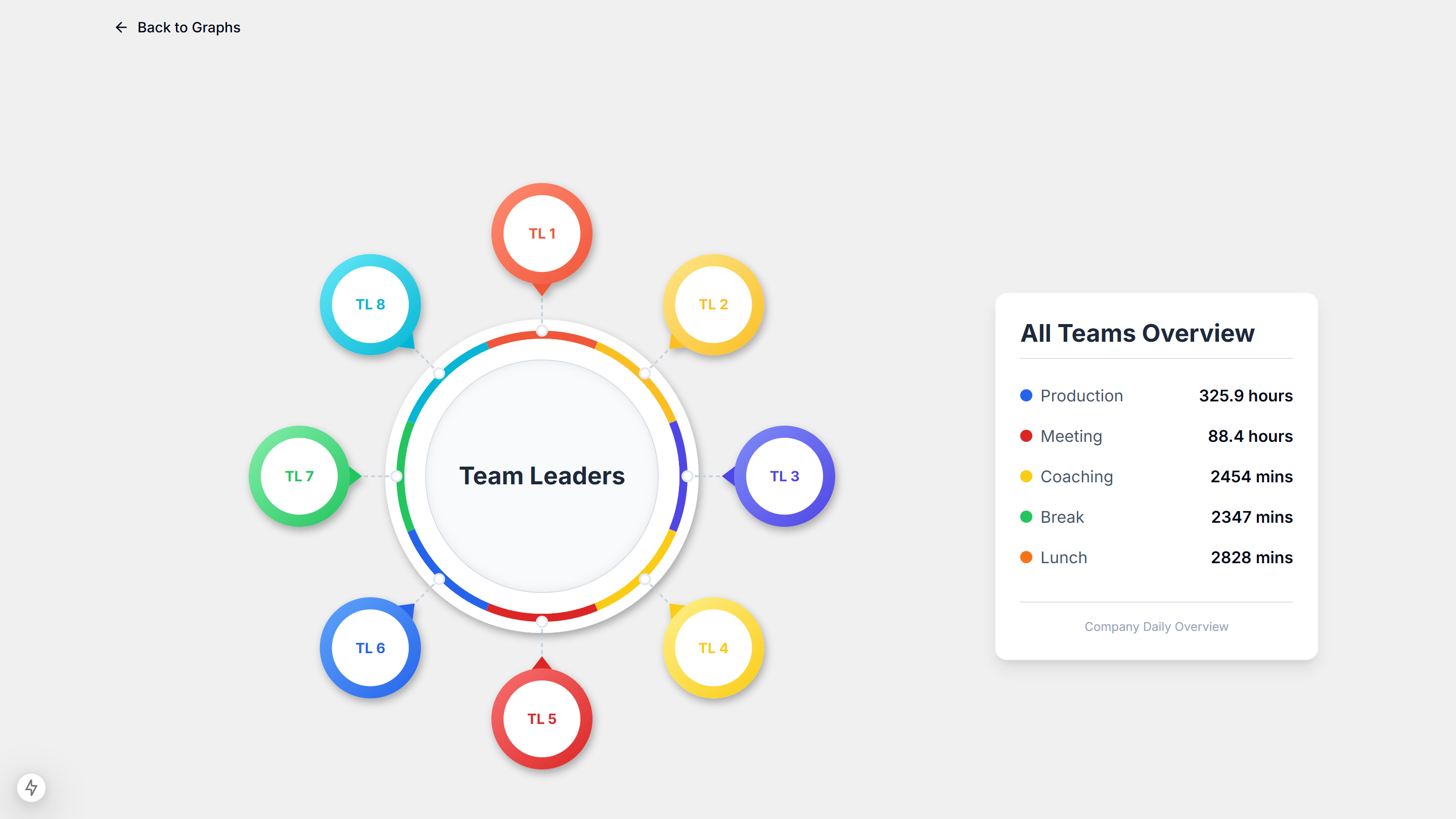
Where the floor's time goes: production, meetings, coaching, breaks, from the whole company down to each team leader. Drawn from scratch in React and SVG.
My Space
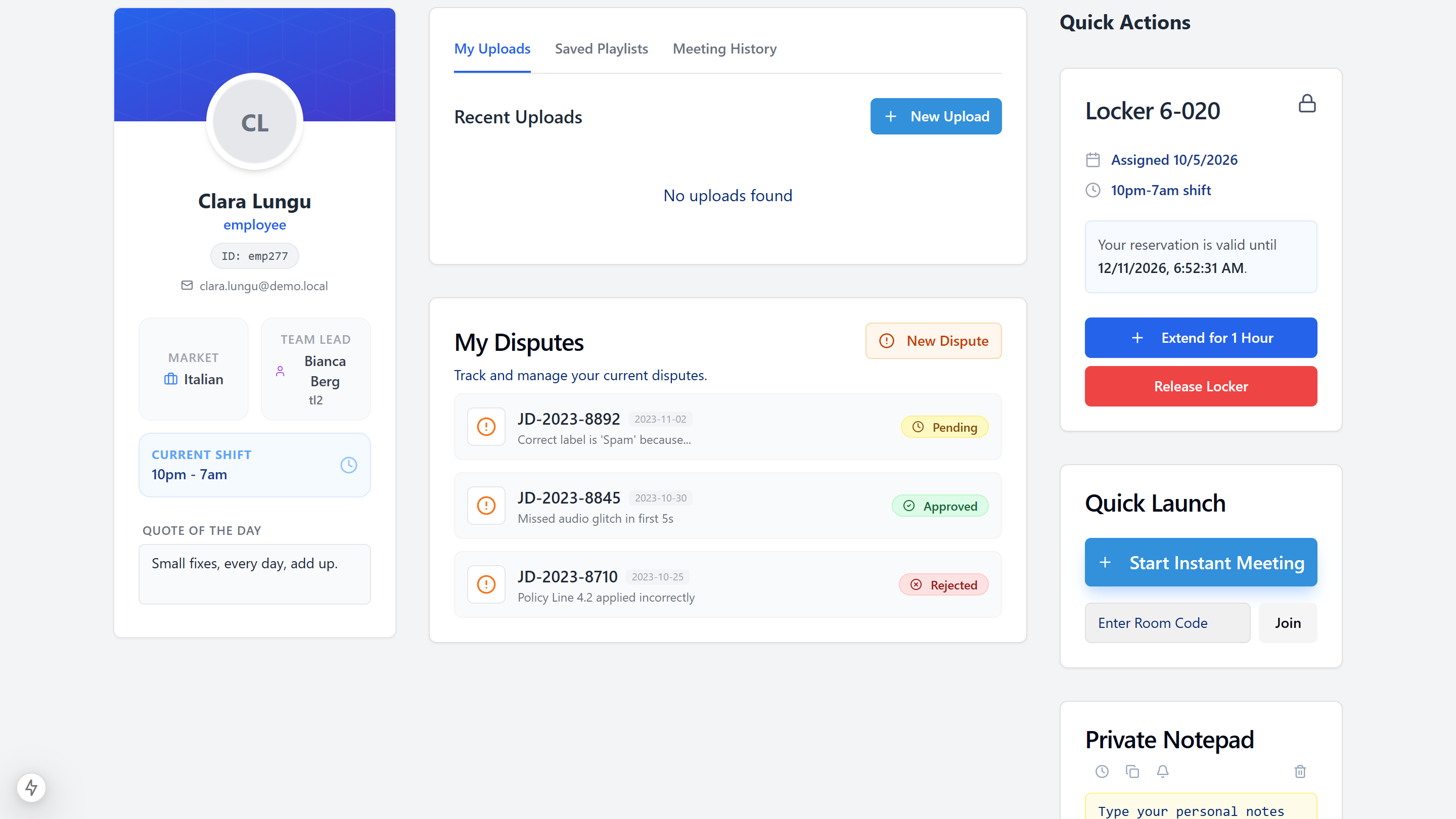
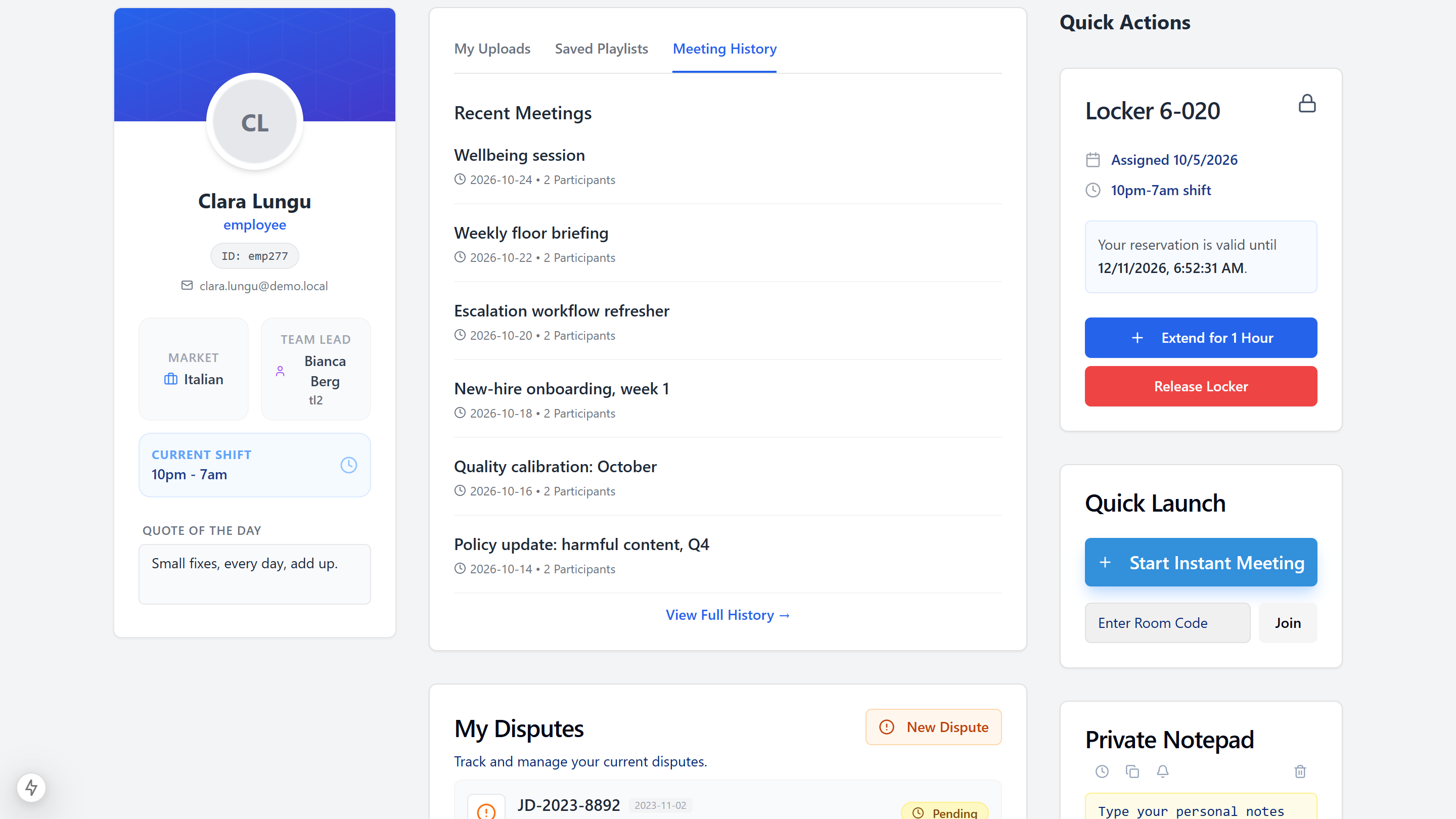
Each person's own hub: their locker, shift, team lead, disputes, meeting history, uploads and a private notepad.
I don't wait for someone else to build what the floor needs. I build it, then hand it over.
Running operations
At my previous company I was given work usually done by team leads, workforce planning and quality. No title, same standard.
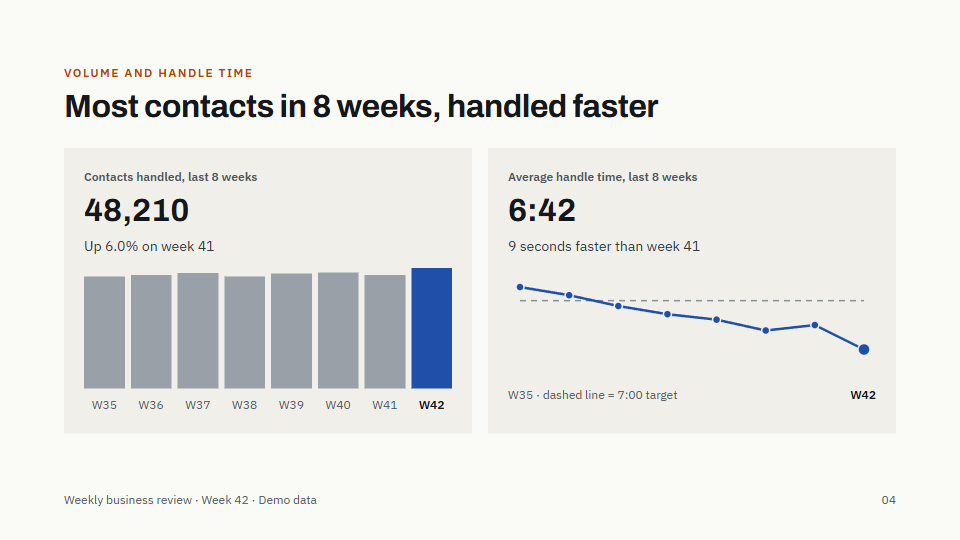
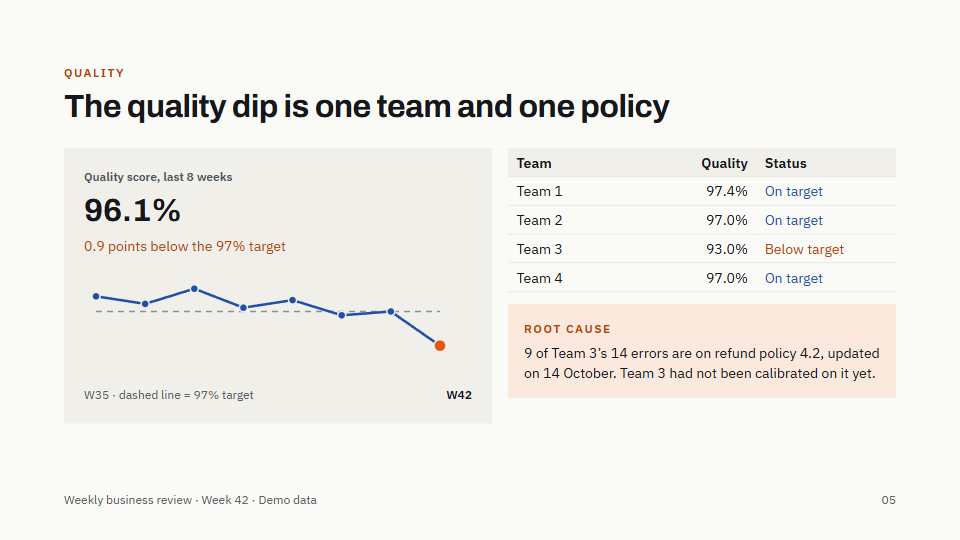
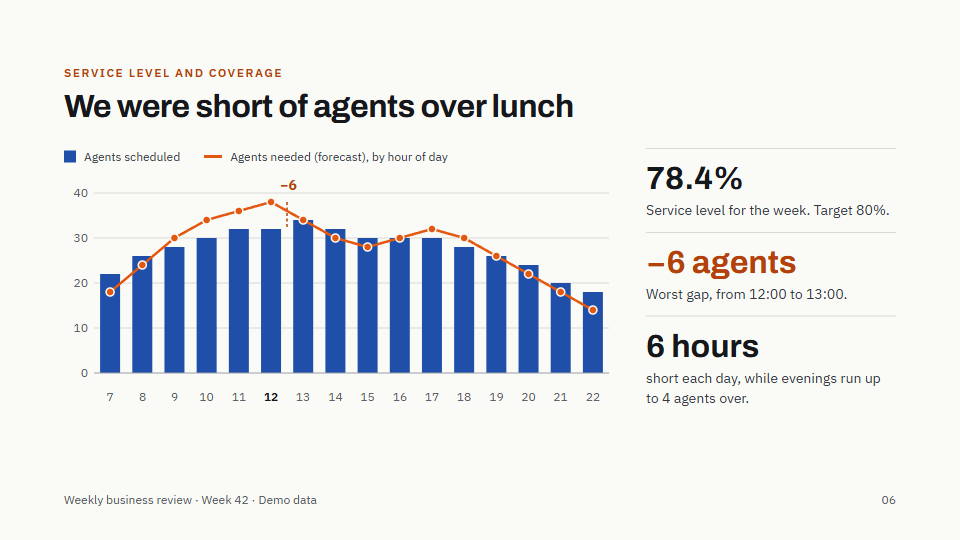
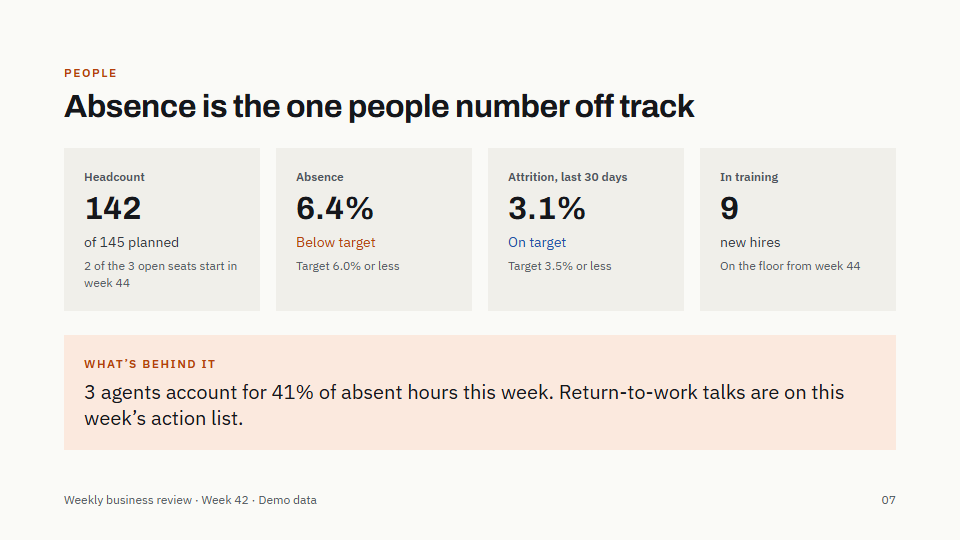
Prepared and presented weekly and monthly business reviews: KPIs, trends, team performance, and what to change next.
Built shift programs covering 500+ employees, balancing coverage against people's real constraints.
Ran training sessions and quality sessions to keep the team aligned with how the work should be done.
I already know the rhythm of an operation: the review cadence, the schedule, the quality loop.
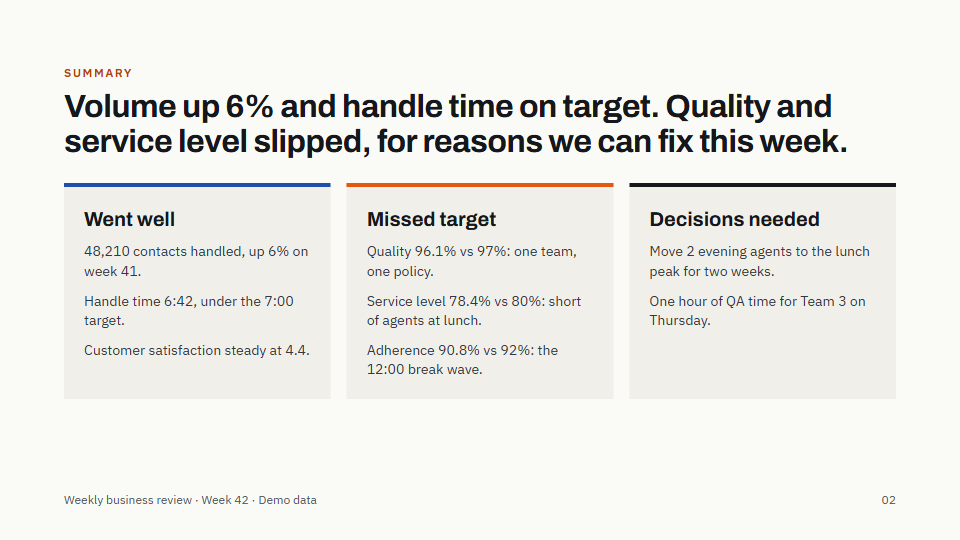
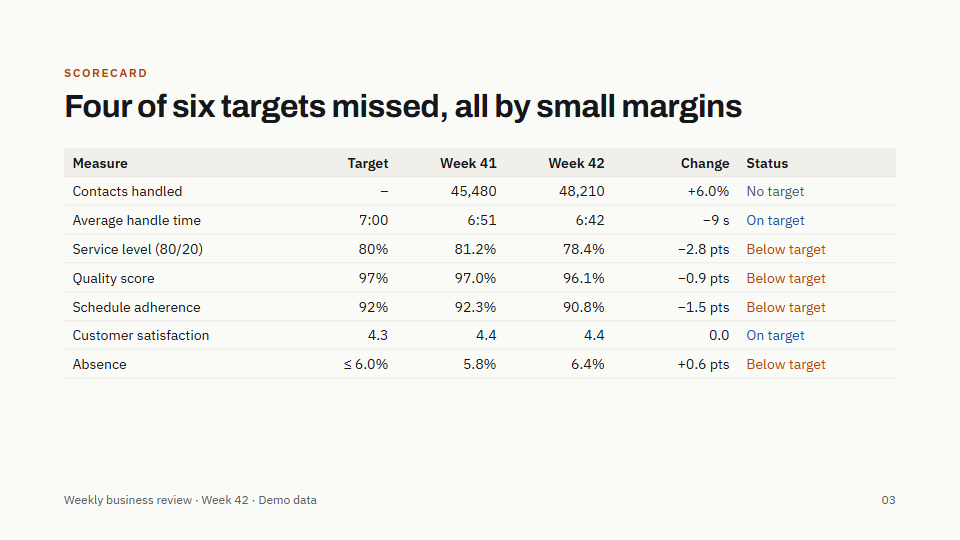
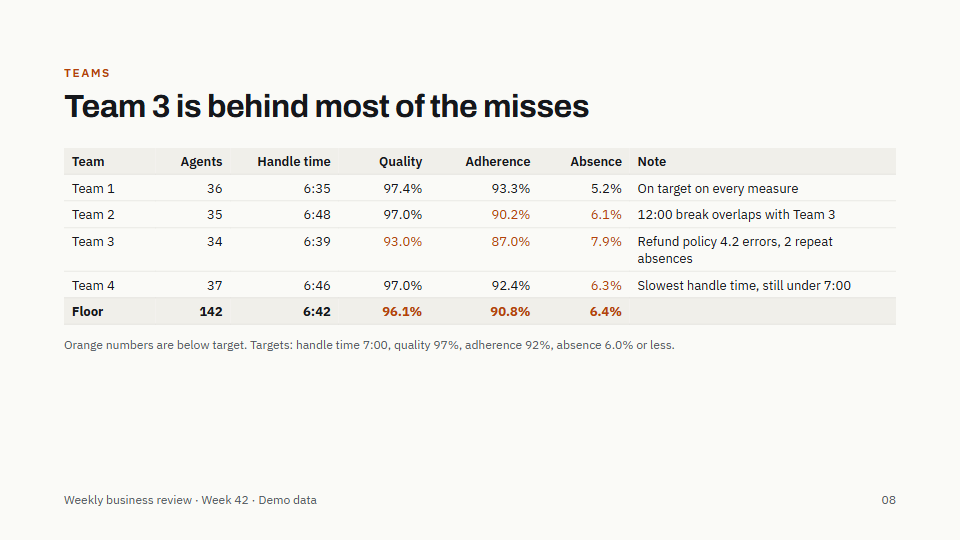
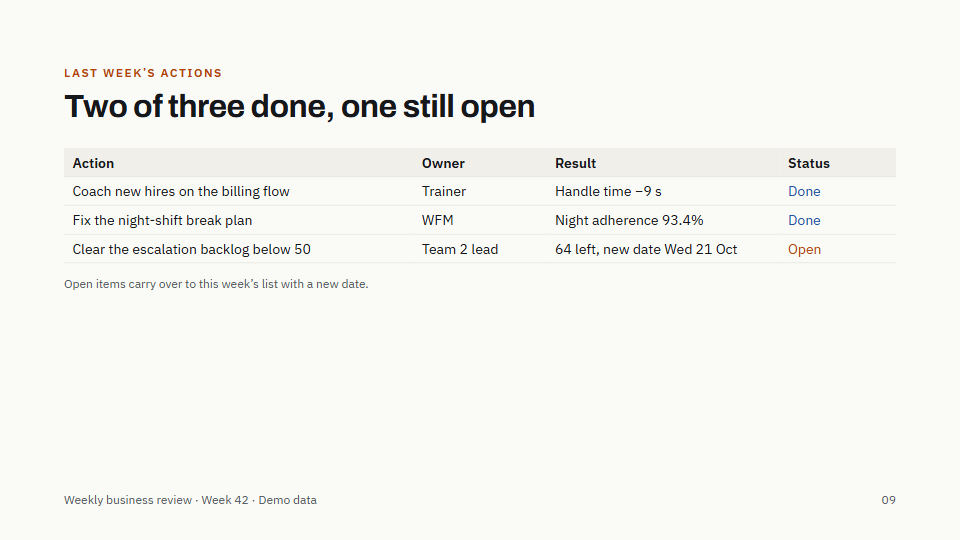
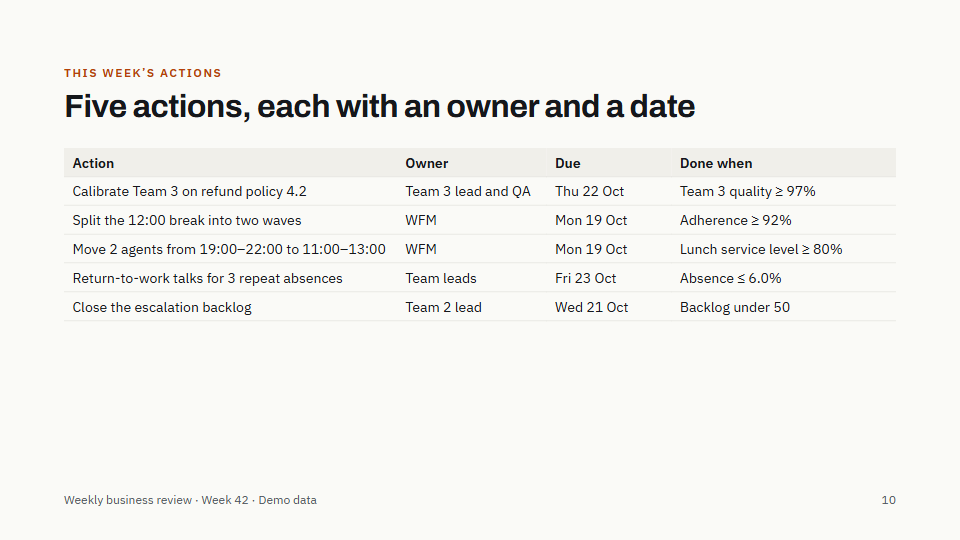
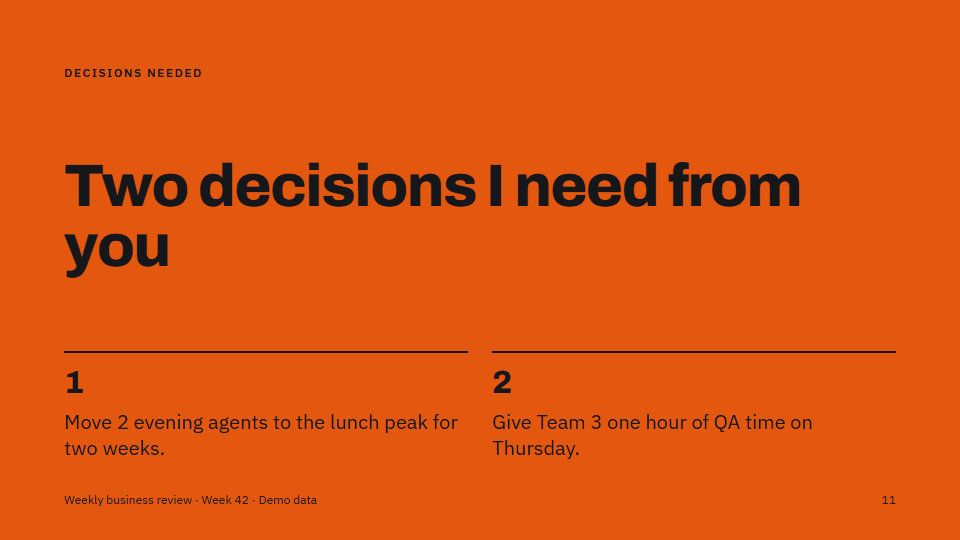
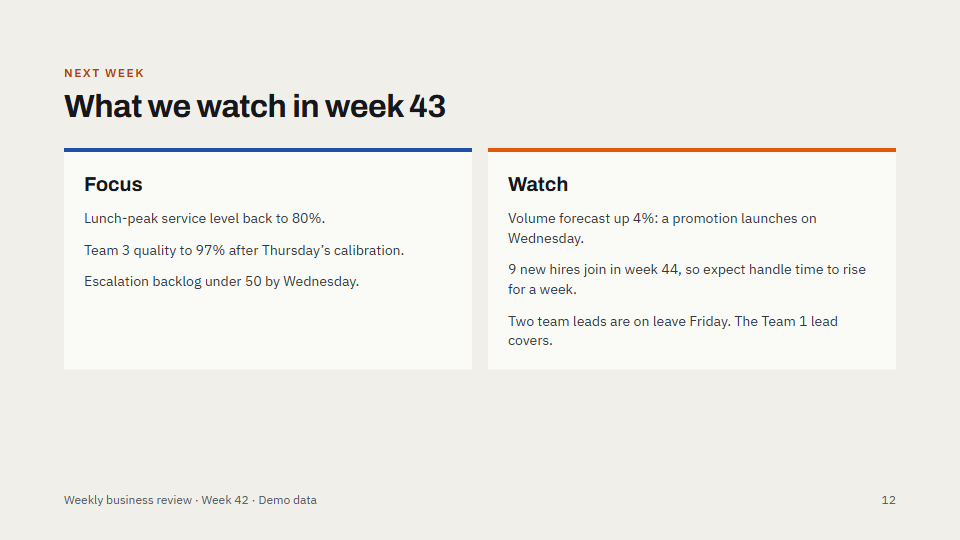
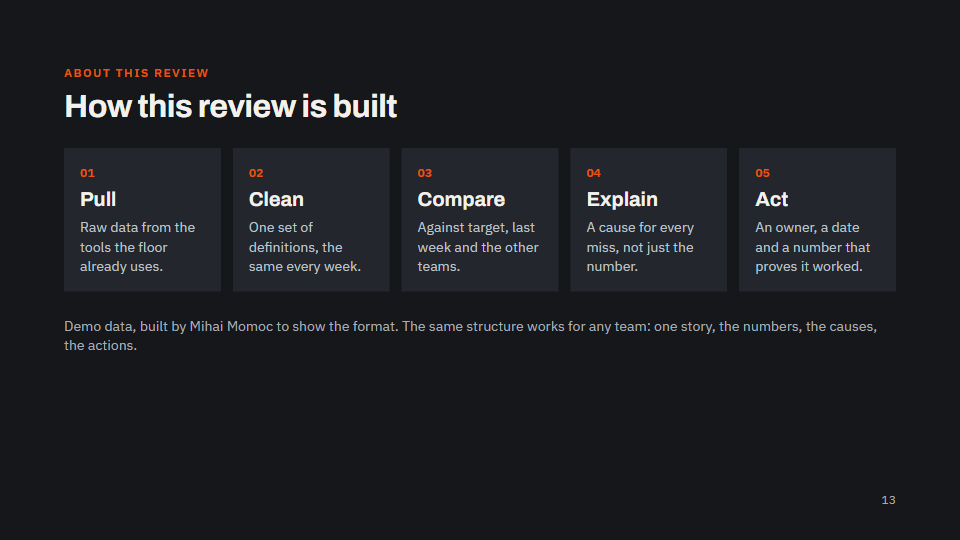
Sample weekly business review
12 slides from one review: summary, scorecard, deep dives, teams, actions and decisions. Demo data.
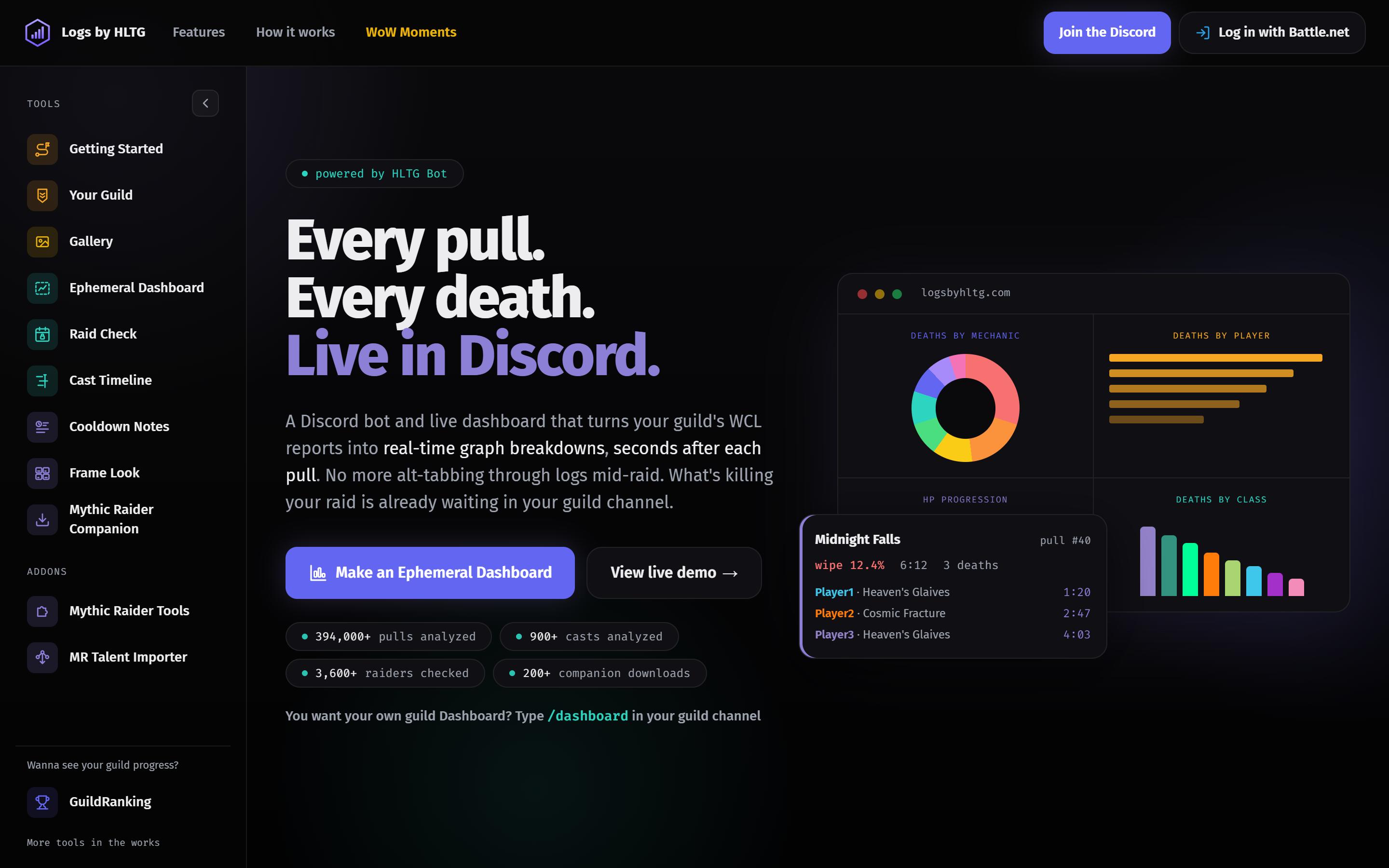
Logs by HLTG
Built for World of Warcraft raid teams. The problem is the one every operation has: a team fails, and someone needs to know why, fast.
- A Discord bot that posts every attempt seconds after it ends.
- Dashboards that break each failure down by step, by person and by role.
- A desktop companion app, an in-game add-on and a nightly data pipeline.
125+ teams and 3,600+ players. I build it, run it and support it, alone.
A 20+ person competitive team: recruiting, role assignment, performance reviews backed by data.